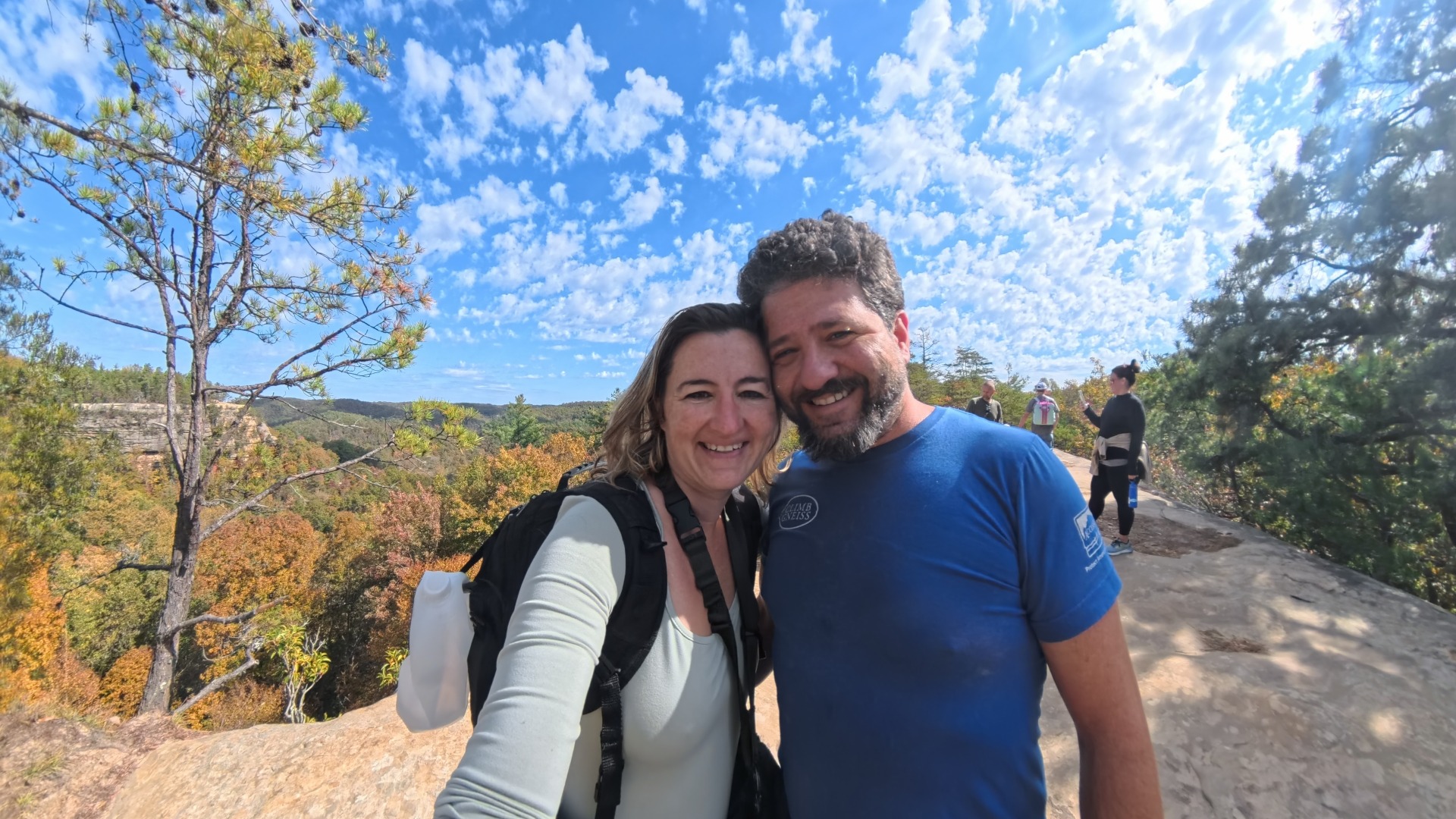
In the Red
When climbers talk about "The Red," we're not talking about Taylor Swift. We talking about the Red River Gorge in eastern Kentucky.
Most non climbers think Yosemite is the mecca of climbing, and it is, for a certain type of climber: big wall climbers, hardcore trad climbers, adrenaline addicts who think they are (and end up getting hurt or dying)...and yes, it attracts some casual climbers, blinded by the mythology of the place, who think that because they can waltz up a 5.7 at their local crag, they can climb 5.7 at Yosemite. These are the folks who end end up on Snake Dike, 5.7R, arguably the most dangerous route in the world.
But for your every day sport climber without a death wish or delusions of grandeur, the top destination in the US is The Red (maybe tied with Red Rocks, Nevada, and Smith Rock, Oregon).
There are over 3,000 miles of cliff line in Daniel Boone National Forest alone, with thousands of routes ranging from beginner to world class. The cliffs are formed from a rock found only here in northeast Appalachia.
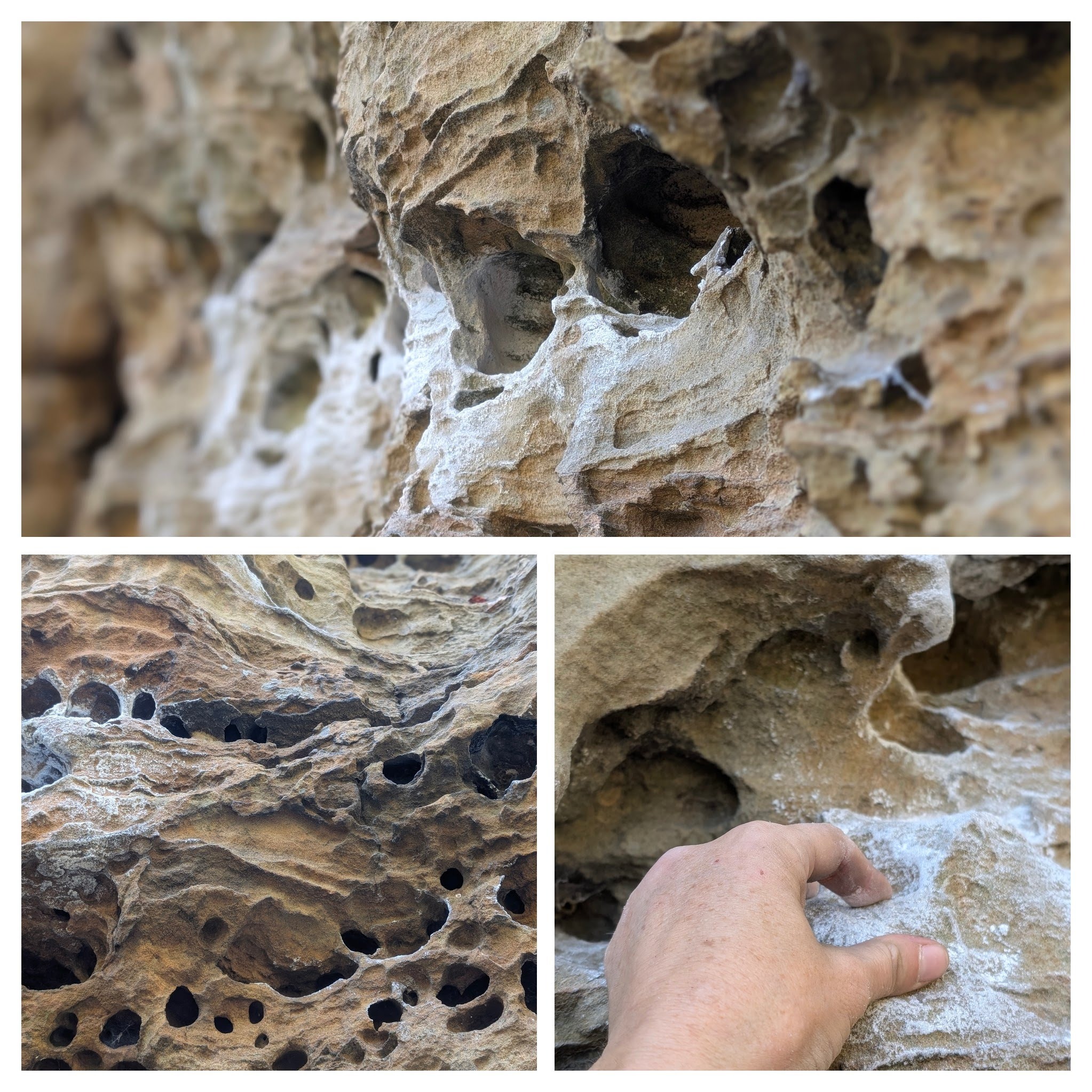
At a glance, I would never guess this was sandstone. I grew up in Arizona, surrounded by smooth, fragile red desert sandstone, carved from prehistoric sand dunes. Corbin sandstone formed from quartz sediments deposited by ancient rivers, ground down over eons to a coarse cement. This makes Corbin sandstone much more durable, especially when wet, than the towering cracks of the southwest. In climbing, durable equals safe, because it diminishes the risk of falling rock which can strike you dead or cut your rope.
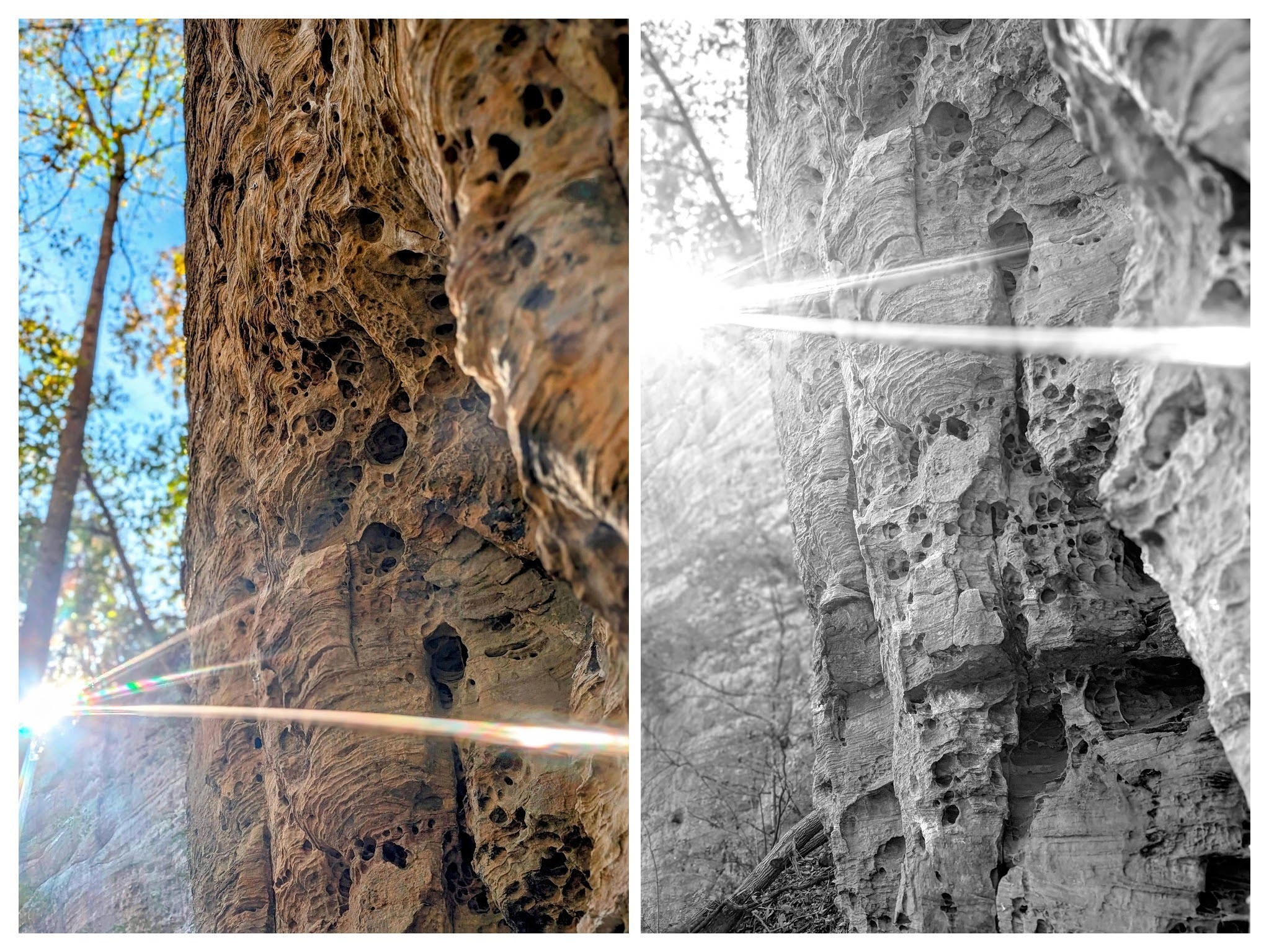
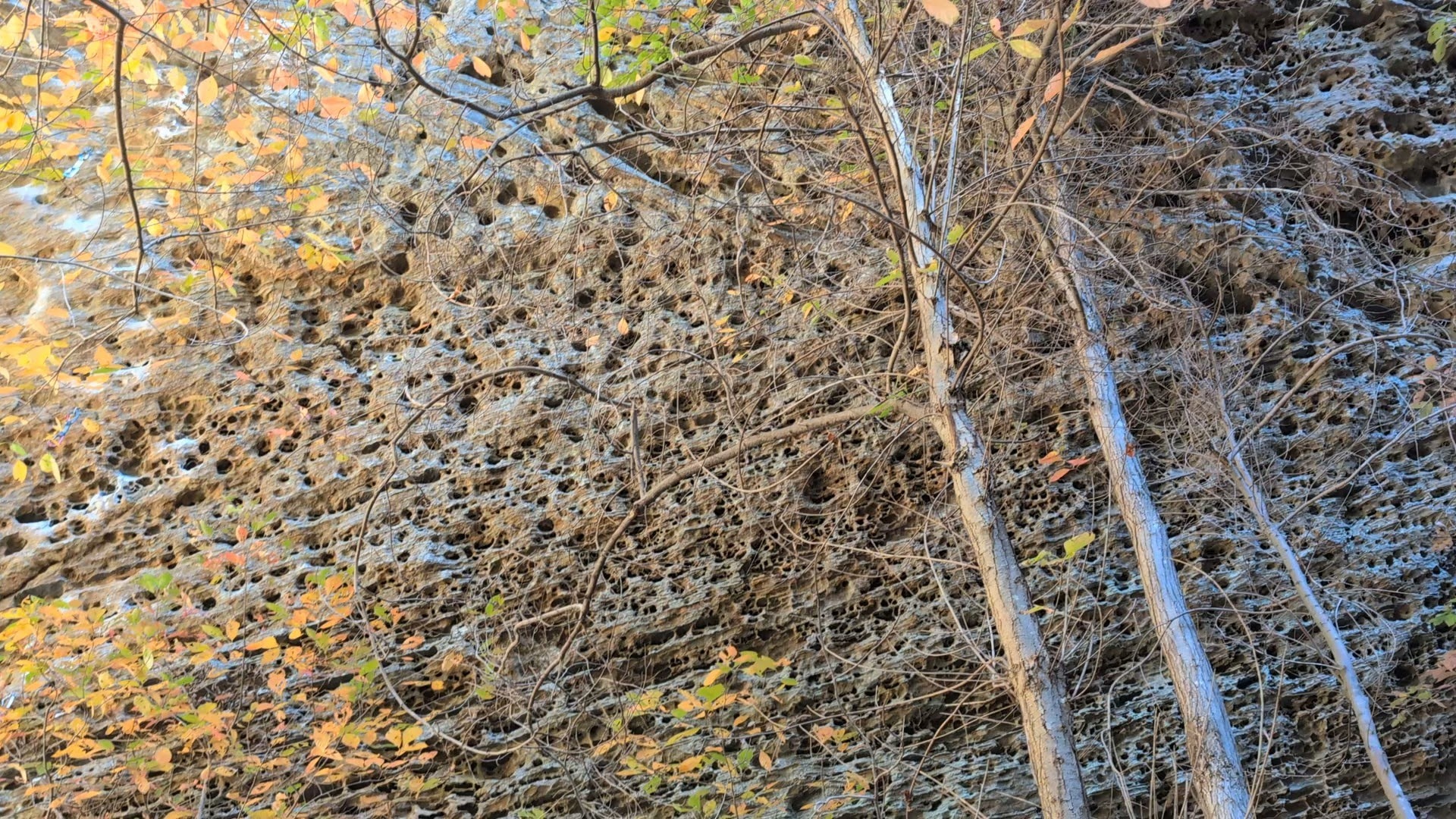
But what makes Corbin sandstone really exciting to climbers are the features, too many to choose from: honey comb pockets you can’t wait to stick your fingers in, and think partially detached dinner plates you can grab onto to pull yourself up.
Three weeks is not nearly long enough to explore all the climbing areas, much less all the crags but we sampled a few, which I'll talk about in my next post.
Post a comment